
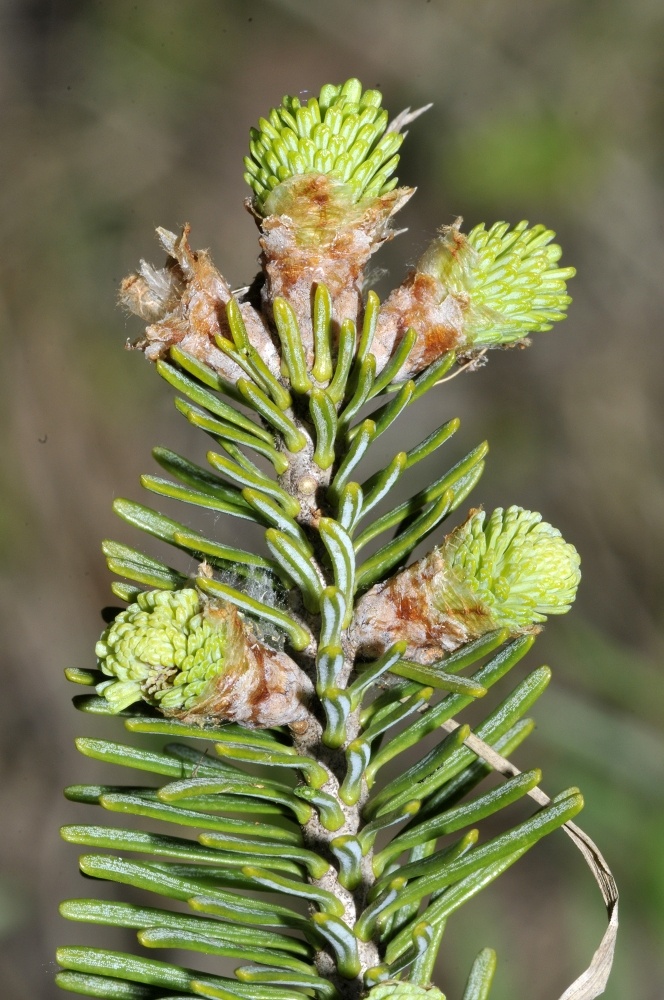
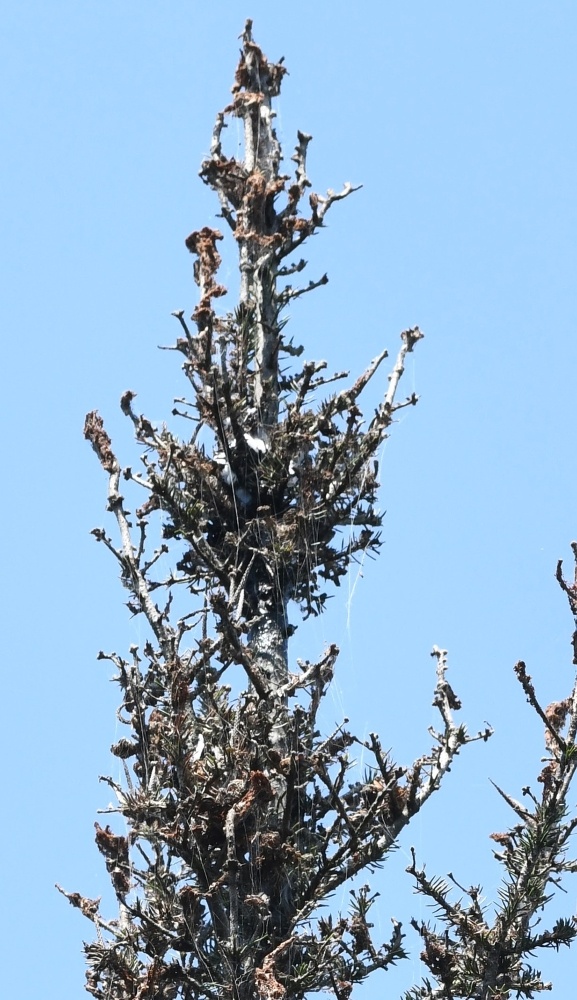
Non-native invasive forest pests such as emerald ash borer and hemlock woolly adelgid get a lot of attention, and well deserved, for being major tree killers. There are, however, some native pests that can cause extensive damage to our forests. One of the most destructive of these is spruce budworm (Choristoneura fumiferana), which devastated forests in the Northeast during an outbreak some 50 years ago. Spruce budworm populations are again on the rise, and while this small moth is a natural part of the spruce-fir ecosystem, periodic booms in its population – occurring every 30 to 60 years and lasting for decades – can cause severe defoliation and tree mortality.
“I had to carry a stick to cut the silk because there were so many larvae dropping out of the trees, and the falling frass on my hardhat sounded like rain,” Richard “Carbo” Carbonetti said, recalling the severity of the last outbreak. Back then, Carbonetti was a forestry student at University of Maine, and he remembers snowplows removing piles of dead insects from the roads. Now, he’s senior advisor for the Forest Resources Division of LandVest, which manages and sells forestland.
The last major spruce budworm outbreak, during the 1970s and ’80s, occurred across 136 million acres from eastern Canada to Minnesota, primarily affecting the northern portions of Maine, New Hampshire, Vermont, and New York. In Maine alone, the outbreak killed an estimated 20 to 25 million cords of spruce and fir, according to the Maine Forest Service, costing the state’s economy hundreds of millions of dollars.
Ecologists and land managers are using lessons from that outbreak to monitor spruce budworm numbers, manage forests to prevent such a devastating outbreak from happening again, and treat areas where these native pests get out of control.
The History of Budworm Outbreaks
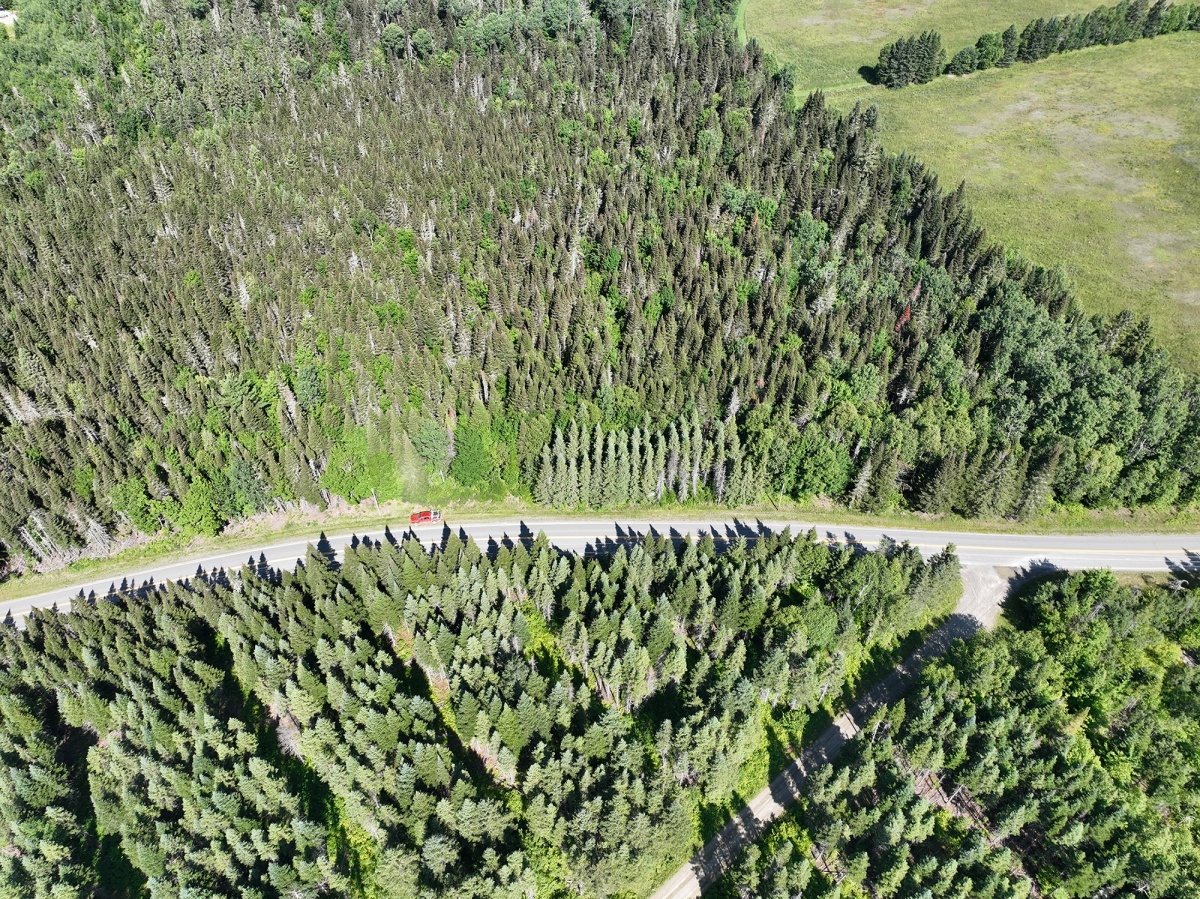
Under normal conditions, natural predators such as birds, parasitoid flies and wasps, fungi, and viruses keep budworm populations in check. Outbreaks occur when there is a decline in these natural predators, warm wet weather that favors budworm egg laying, or changes in landscapes – such as a harvest or storm event – that increase host density. Spruce budworm larvae feed on the needles of a variety of conifer tree species, not just spruce. Contrary to its common name, spruce budworm favors balsam fir and will also feed on hemlock, larch, and sometimes pine during outbreaks.
Eastern North America has experienced several major spruce budworm outbreaks spanning the past 300 years. A 2007 study published in the Canadian Journal of Forest Research used dendrochronology – the study of tree rings – to determine when outbreaks of spruce budworm occurred in northern Maine. For that research, collaborators from University of Maine, Mid Sweden University, and Indiana State University compared the growth rings of spruce (a budworm host) and cedar (non-host) and identified five possible spruce budworm outbreaks that began in 1709, 1762, 1808, 1914, and 1976.
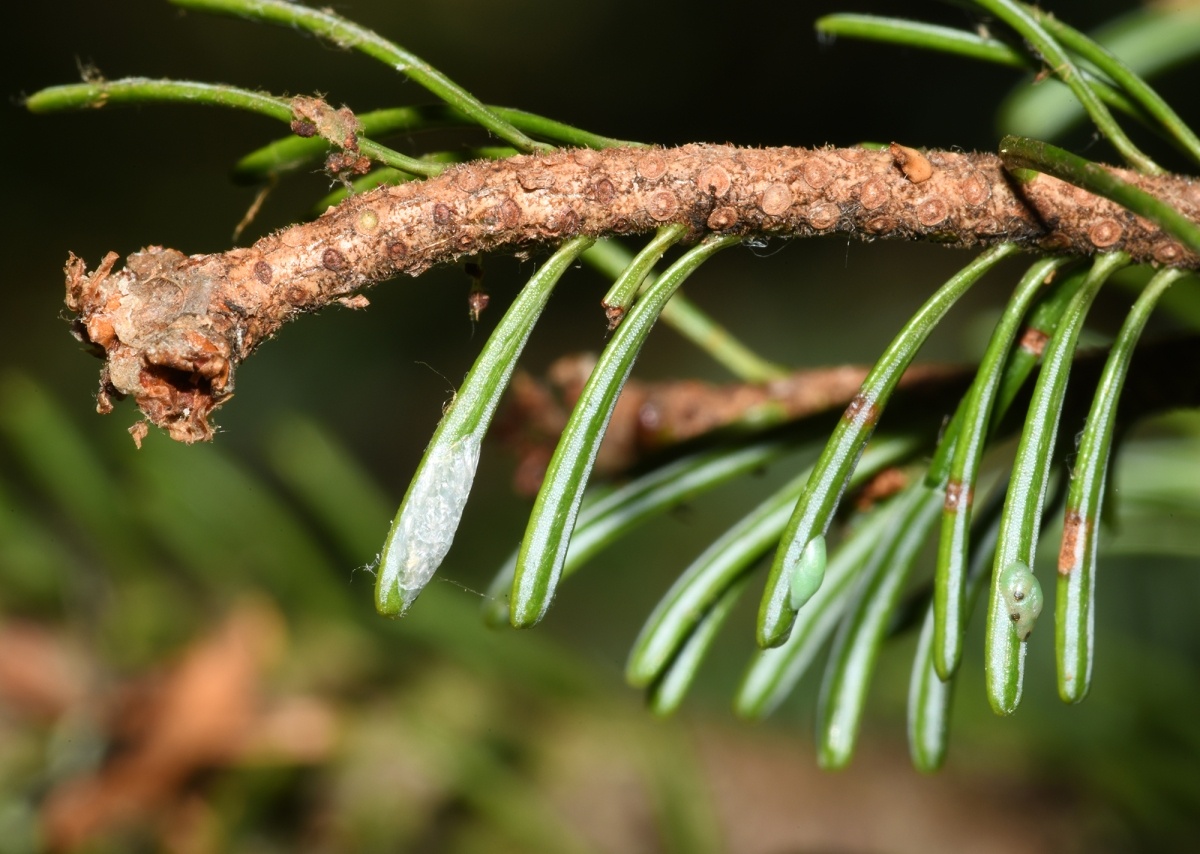
The budworm outbreak in the 1970s and ’80s devastated Maine’s forests, reshaping forestry practices and resulting in industry changes. Forest land managers began shifting away from even-aged, fir-dominated stands toward managing for more diverse and multi-aged forests and mimicking natural disturbance.
Although the budworm is a natural part of Maine’s historical spruce-fir ecosystem, generations of intensive management that removed red spruce and left balsam fir to grow “laid a banquet” for it, said Carbonetti. That outbreak created urgency as landowners rushed to harvest trees before they died, sometimes losing entire stands. “The pace of mortality was so quick that many small landowners never got their trees cut. Some lost tens of thousands of dollars,” he said. The outbreak also fueled major industry changes, including the expansion of Canadian border mills, the end of Maine log drives, transitions in sawmilling technology to process smaller trees, and construction of roads including the Golden Road – a 96-mile private logging road that runs from Millinocket, Maine, to Canada.

Carbonetti was deeply influenced by the scale of industrial salvage logging following the outbreak. The vast amount of clearcutting in Maine at the time inspired the passage of the Maine Forest Practices Act (FPA) of 1989, which heavily regulates clearcutting. Witnessing the corporate, volume-driven approach to forestry convinced Carbonetti to pursue a career as a consulting forester, where he could focus on land management aligned with ecological values and landowner goals rather than on mill supply.
The most recent spruce budworm outbreak affecting the Northeast began in Quebec, Canada, in 2006. Forest health specialists in Maine began noticing an increase in spruce budworm moths in their trap catches around 2014, and by 2020 they were seeing defoliation during ground surveys. In 2021, the Maine Forest Service detected defoliation on nearly 850 acres during an annual aerial survey, and that number more than tripled to 3,000 acres in 2024.
Carbonetti thinks the forest industry is better equipped to face a spruce budworm outbreak today. Forests are younger and more diverse, he said, corporate dominance has waned, and management is different. “The budworm was devastating,” he said of the 1970s to1980s outbreak, but it also forced the industry to become “more collaborative, more thoughtful, and better prepared for the next time.”
Monitoring Budworm Populations
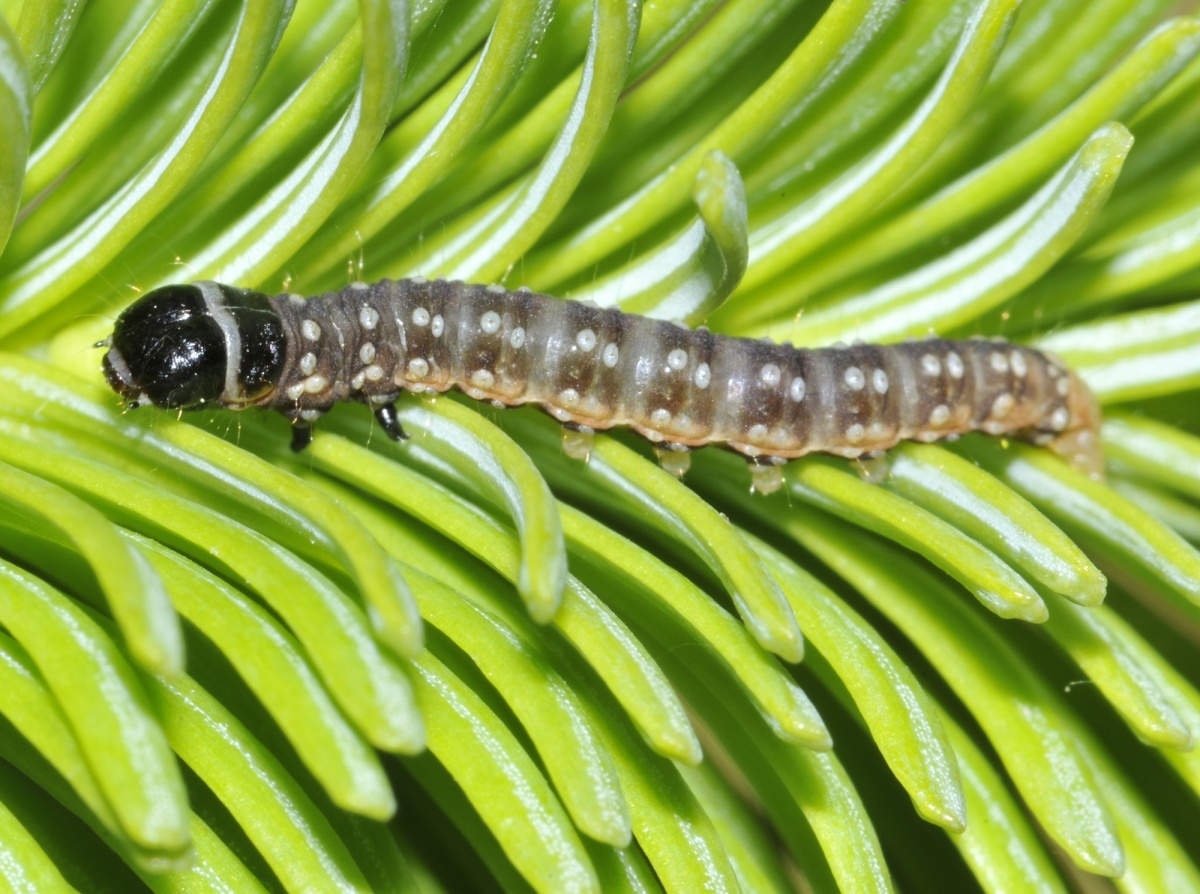
Part of preparing for “the next time” is keeping track of spruce budworm populations in the region. Although short-range migration (about 25 miles) chiefly contributes to the expansion of budworm outbreaks, large populations of budworms can disperse great distances (up to 300 miles) on the wind and start outbreaks in new areas. These mass migrations may contain billions of moths, including egg-carrying females. Some flights are so large that they are detectable on weather radar and can result in piles of dead moths like the ones Carbonetti remembers falling like rain and being plowed from roads.
State forest health programs monitor forest pests such as spruce budworm through annual trapping and aerial surveys. Trapping allows forest health specialists to monitor moth populations to predict when an outbreak might occur, and aerial surveys show where damage is already happening. The data help land managers to plan and react to future and current outbreaks by determining when and where to conduct treatments or harvests.
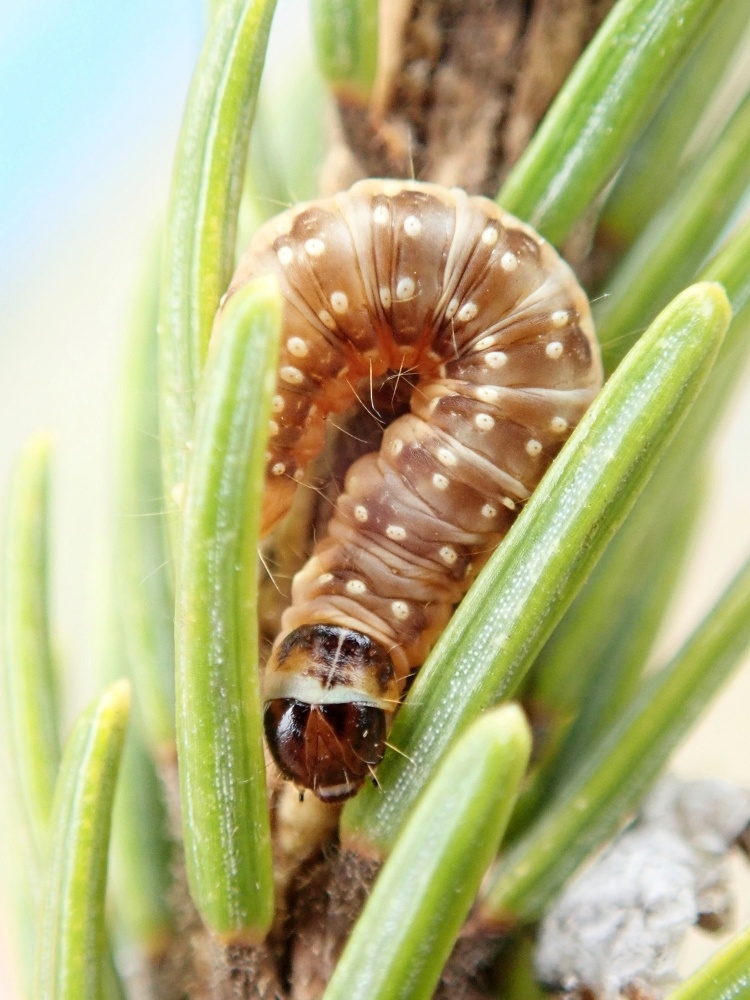
The northeastern states most at risk of a spruce budworm outbreak – Maine, New Hampshire, New York, and Vermont – all have pheromone trapping programs. Of these, the Maine Forest Service runs the largest trapping program. The program began with 80 permanent sites established in the 1990s, and that number had increased to more than 300 sites across the state by 2024. In 2025, the Maine Forest Service reduced the number of trap sites to 116 as they decided to try out new lures and trap styles. Sites are monitored by state forest health specialists and cooperators from the U.S. Forest Service, nonprofits, and large private forest land management companies. Participants in the trapping program bait bucket traps (3 per site, spaced 100 feet apart) with a synthetic spruce budworm pheromone and hang them in fir trees in spring or early summer. The pheromone lures budworm moths into the traps, where they are killed by an insecticide strip.
University of Maine launched the Spruce Budworm Lab in 2021 to monitor populations of the pest. Supported by a variety of funding sources, including federal grants and collaborations with state and industry partners, the lab processes samples to track the overwintering budworm larvae population. Angela Mech, assistant professor of forest entomology, manages the Spruce Budworm Lab, working with three full-time staff members and ten undergraduate students each year to process the thousands of fir branch samples collected as part of the “L2 survey.” Participating entomologists and landowners clip samples from the mid-crown of trees beginning in late summer and send them to the lab, where they are kept in freezers until they can be processed. Lab staff count second instar larvae (L2) throughout the winter months.
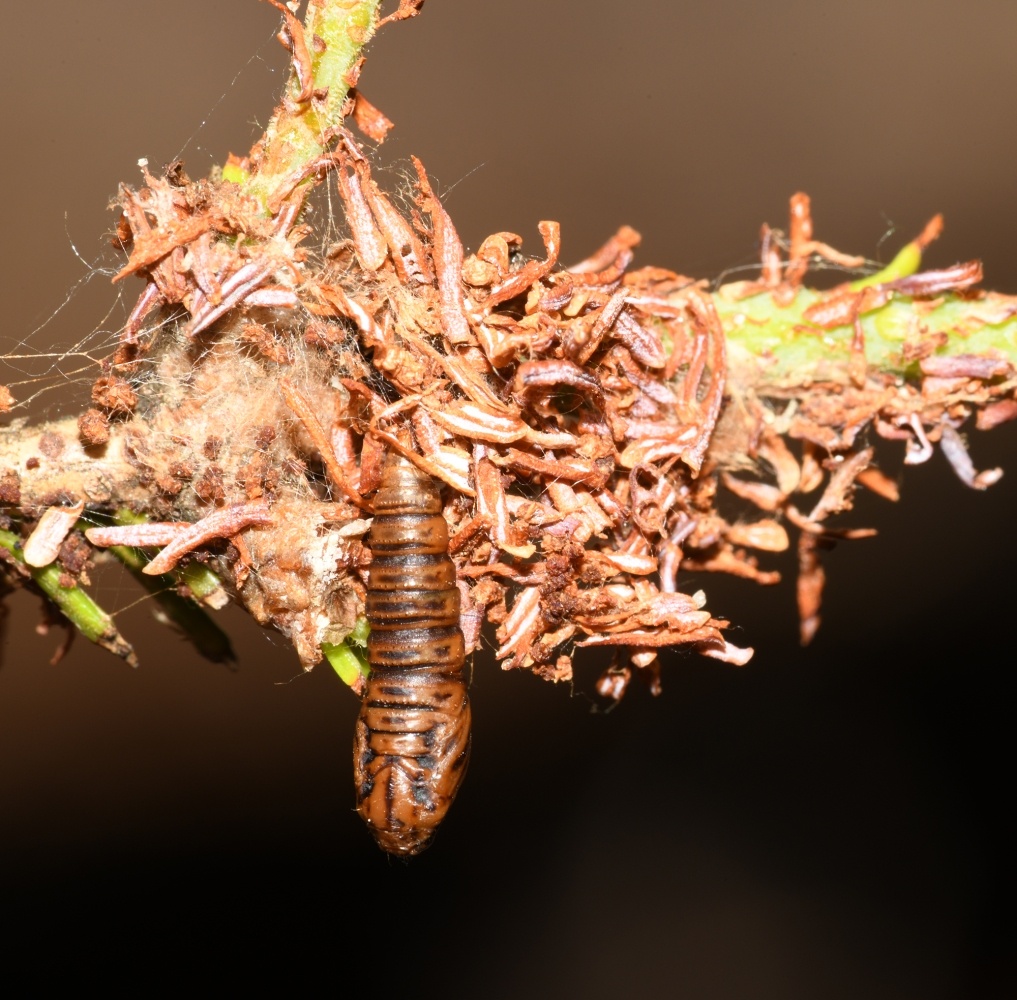
The samples arrive from about 750 sites: nearly 700 in Maine, plus growing coverage in New Hampshire, Vermont, and New York (where moth flights into the Adirondacks last year raised concern). When larval counts exceed 7 per branch per site, entomologists expect significant defoliation to occur the following year. Neil Thompson, associate professor of applied forestry at University of Maine Fort Kent, models the data collected in the counts to produce web maps, available to the public, that are updated weekly beginning in late summer of each year.
The surveys are inspired by New Brunswick’s Early Intervention Strategy for spruce budworm. The goal is to use the L2 data and maps to detect and treat hotspots before they become full outbreaks. The L2 survey from the 2024–2025 season revealed high budworm populations in Maine with an estimated 337,000 acres of forest at risk – nearly half the size of Rhode Island. This prompted landowners to advocate for aerial insecticide treatments, which the state hadn’t done since the 1970s to 1980s outbreak. In 2016, changes in Maine’s Spruce Budworm Management Act shifted the cost and responsibility for aerial insecticide applications from the sole entity of the state to a shared responsibility among private landowners, the state, and federal authorities.
Evolving Treatments to Prevent Major Outbreaks
In early June 2025, the Maine Budworm Response Coalition – an organization of timberland owners and managers – collaborated with Maine Forest Service and University of Maine to treat about 240,000 acres of fir and spruce. A total of seven landowners in Aroostook County received state and federal funding, a combined $9.8 million, that covered the cost of spray treatments.
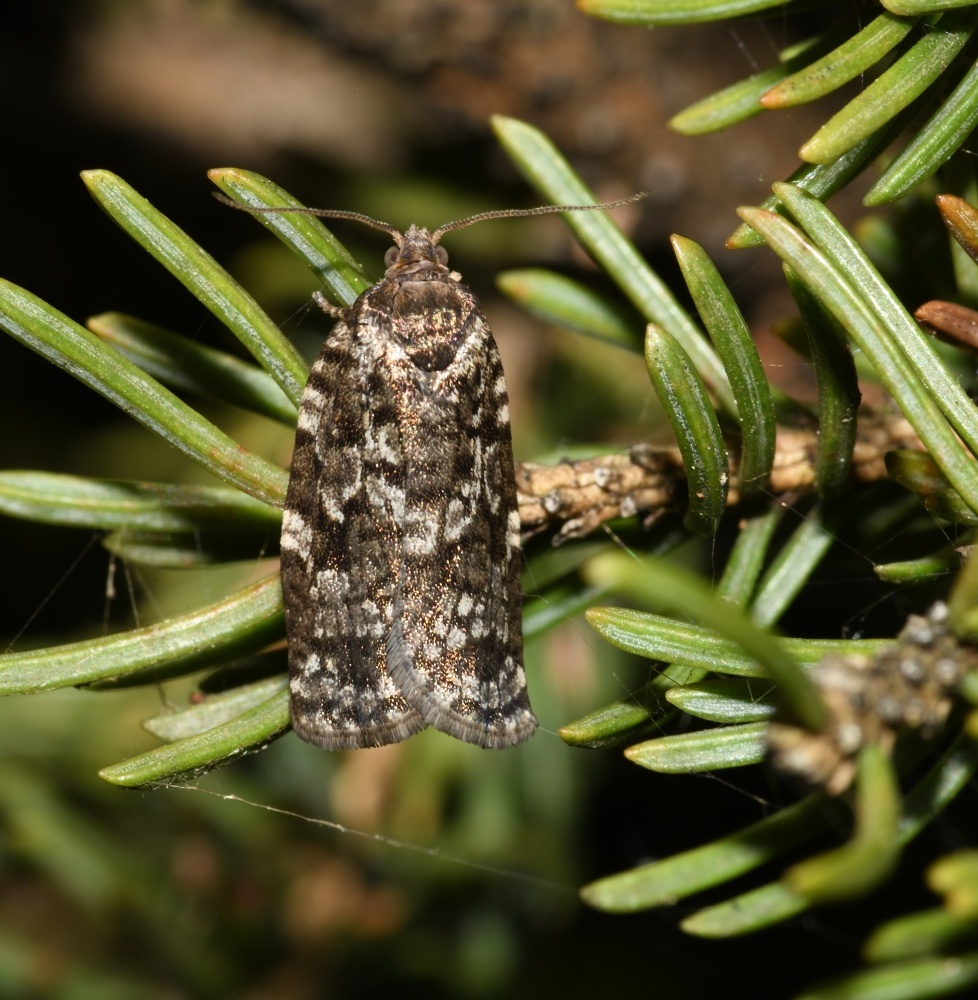
“It takes quite a large, coordinated effort to be able to pull off something of this magnitude,” said LandVest Forest Resources Manager Eugene Mahar. LandVest manages almost 800,000 acres in northern Maine and is a member of the coalition. Three LandVest-managed properties in Maine were part of the spray program, treating some 49,000 acres.
Unlike past treatments, which utilized synthetic pesticides, today’s strategy emphasizes the use of targeted biological insecticides. Maine’s early aerial spray programs for spruce budworm covered more than 1.2 million acres from 1954 to 1967 with DDT (dichlorodiphenyl-trichloroethane), which gained infamy in Rachel Carson’s book Silent Spring due to its ability to bioaccumulate in animals. Rising concerns over environmental impacts eventually led to the ban of DDT in Maine in 1967, and a national ban in 1972.
Maine used other synthetic broad spectrum contact pesticides including Sevin to treat budworm from 1970 to 1985. In 1976, during the height of the last outbreak, state land managers treated 3.5 million acres in one year. The Maine Forest Service began using Bacillus thuringiensis kurstaki (Btk), a naturally occurring bacterium that specifically targets lepidoptera larvae, in 1978 and phased out the use of most other, more toxic insecticides by 1985. Btk is nontoxic to mammals, birds, fish, and bees and only affects butterfly and moth larvae that consume it.
“Targeted pesticides are meant to knock back the population just to the point where the parasitoids and natural enemies can keep that population in check,” said Mech, the manager of UMaine’s Spruce Budworm Lab. Aerial applicators spray Btk on tree needles, where caterpillars consume it as they feed. Another product sometimes used is tebufenozide, a synthetic hormone that causes developing caterpillars to molt prematurely, stop feeding, and die. The EPA categorizes tebufenozide as “practically nontoxic,” meaning it has a low toxicity to humans, mammals, and other non-target organisms.
To ensure the safety of applicators, landowners, and the public during the 2025 treatments, members of the coalition controlled land access with roadblocks and notified abutters prior to treatment. The public has been more receptive this time, aided by outreach efforts and the use of more selective treatments. “We didn’t get a lot of backlash,” said Mech. “When you talk about Btk being organic and a biopesticide, that usually is easier to swallow.”
Mahar said the coalition was able to complete treatment in one week, in part thanks to good weather. Pilots, who received training orchestrated by Maine’s pesticide control board, applied aerial sprays from helicopters and fixed-wing aircraft. They used autonomous technology to achieve 1-foot accuracy when spraying. The applicators used Btk within 1,000 feet of dwellings, and tebufenozide in other areas. All spraying occurred at least 100 feet away from lakes, streams, and other bodies of water, and a quarter mile from identified habitat of state endangered and threatened butterflies.
“The results so far have been phenomenal,” said Mahar. He noted that while there has been some pre-salvage harvesting on LandVest-managed lands, that has happened on less than 5 percent of the treated area, and “there hasn’t been the wall of wood” impacting the mills as there was during the 1970s and ’80s.
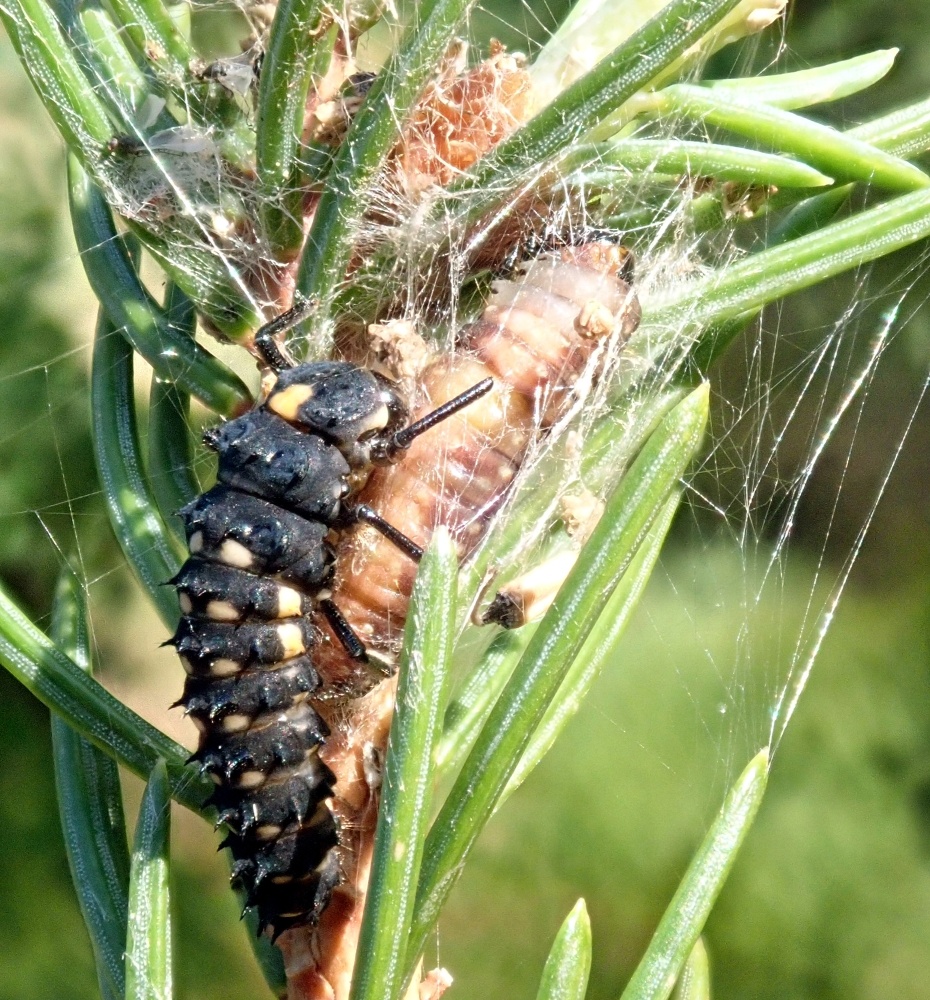
So, what’s next? Early Intervention Strategy is a long-term process, with the full effectiveness of the treatment to be assessed during this winter’s L2 surveys. Early results have been positive. “We’re seeing really good control in the spray zones,” Mech said. “The population is growing, but not in these spray spots.”
In July, the Maine Forest Service Insect and Disease Conditions Report also stated that there were no new areas of defoliation or discoloration seen in the treated areas. It did report damage, however, in and around the forests and residential areas of Fort Kent, where there was no treatment. L2 survey data and moth trap catches counted in September also showed high numbers of spruce budworm in this area.
Maine Forest Service is currently planning another cost-share program with the coalition for 2026 treatments of areas with anticipated defoliation, using remaining federal funds and an additional $2 million provided by the state. According to the Maine Forest Service website, eligible areas in Maine meeting conditions such as spruce budworm populations, forest type, operability, and clear ownership boundaries will be considered for inclusion in the 2026 Spruce Budworm Treatment Program.
Spruce budworm populations will inevitably rise and fall, but proactive monitoring and management techniques can help mitigate their impact and prevent damaging outbreaks. By understanding the complex dynamics of this native forest pest, stakeholders can work together to protect the health of spruce-fir ecosystems and to limit the impact on the forest economy.
Click here for more information on spruce budworm in Maine.